
Master digital marketing by integrating video into your SEO. Learn how YouTube indexing and embedding strategies drive long-term search visibility and traffic.
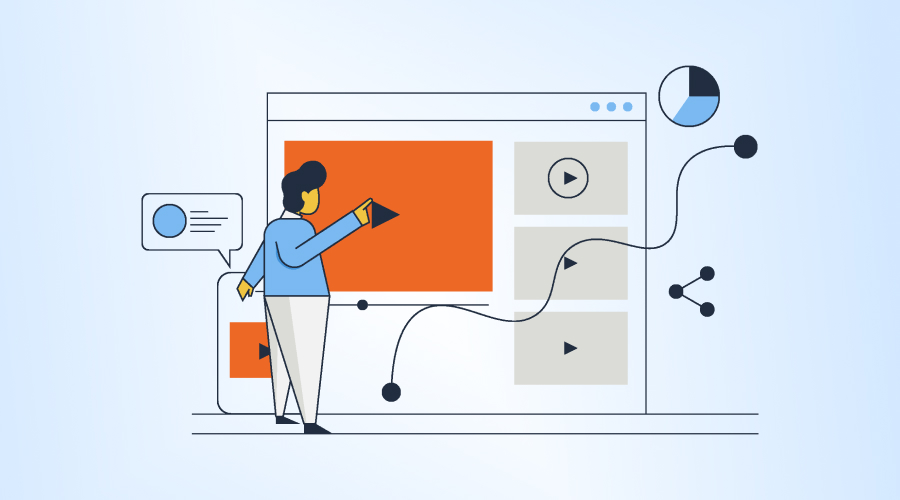
Video is no longer just something people scroll past on social platforms. It now plays a real role in search visibility. YouTube handles an enormous volume of uploads, and Google can surface videos across the main results page, Video mode, Google Images, and Discover. This makes the video a search asset, not just a branding one.
Search behavior has changed. People still read, but they also watch before they act. Pages with video can keep visitors engaged longer, and studies from Wistia found that people spend, on average, 2.6x more time on pages with video than pages without it. This is why modern pages need more than plain text.
When you bring video into your broader SEO plan, you give search engines more signals to work with and more reasons to surface your content. The goal is not just visibility. It is visibility that lasts, brings the right traffic, and supports conversion.
YouTube: The World’s Second Largest Search Engine
YouTube works like a search engine in its own right. Google says YouTube’s search ranking system is built around relevance, engagement, and quality. It also notes that hundreds of hours are uploaded every minute, which is why discovery depends on more than luck.
People often go to YouTube first for “how to” and “what is” queries because they want to see the answer, not just read it. Strong titles, clear descriptions, and useful content help match that intent.
Treat a YouTube channel like a small website. Give each upload a clear topic, a clean category, a consistent naming system, and a useful description. Google and YouTube both rely on metadata to understand what a video is about, so structure matters. Use it to reach your target audience and grow your brand.
The Technical Side of Video SEO
Good video content still needs technical support. Search systems do not guess well when the page or upload is vague. They need signals. The stronger those signals are, the easier it is for your content to be understood and indexed.

Metadata Mastery
Titles, descriptions, and tags do real work. YouTube says titles, thumbnails, and descriptions matter more than tags, while tags are mainly useful for misspellings and edge cases. This means your main keywords must sit naturally in the title and description, not be stuffed into tags.

Transcript Indexing
Captions and transcripts add searchable text to your video. This gives search systems more context and gives users a better way to follow the message. It also helps people who watch with sound off or need captions for accessibility. Clear spoken content, paired with transcript text, is simply easier to crawl and understand.

Thumbnail Optimization
A thumbnail is not a direct ranking factor, but it affects click behavior. If people choose your result more often, this sends a strong quality signal. So the job is simple: make the thumbnail clear, relevant, and easy to read at a glance.
On-Page Embedding Strategy: Boosting Website Metrics
A video must not live on its own island. When you embed it on a service page, blog post, or landing page, it can support user understanding and keep the page more useful. This helps the page feel complete rather than thin. Here’s how you will know if it is working or not:

Increasing Dwell Time
A relevant video gives visitors a faster route to understanding. They stay longer because they can watch, pause, and decide. This longer interaction tells you the page is doing its job, and it often gives search engines a better picture of page value.

Reducing Bounce Rates
Some services are hard to explain in one block of text. A short explainer video can answer the main question early and stop confusion from pushing people away. This is especially useful for technical, layered, or highly visual topics.

Strategic Placement
Place the video where users can see it quickly. Add supporting copy around it so search engines still have text to read. Use structured data that stays consistent with the video content, so the page and the upload should tell the same story.
Video Content Types That Drive Search Visibility
Not every video has the same role. Some answer questions. Some sell. Some prove trust. The best mix depends on what your audience needs at each stage.

Educational & Explainer Videos
These work best for people who know they have a problem but are still comparing solutions. A clear explainer answers the main pain point, shows the process, and positions your brand as a useful guide.

Product Demos & Case Studies
These matter when people are closer to a decision. They want proof. A demo shows how something works. A case study shows what changed after the work was done. This kind of evidence builds trust fast.

The Snippet Strategy
Short videos can answer narrow questions and fit neatly into search features like key moments and rich video results. They can surface key moments from videos and use timestamps or structured data to help users jump to the right part. This makes short, focused clips valuable for search.
Turn Your Views into Visibility with Knovial
A video without SEO support leaves value on the table. With the right title, description, transcript, structure, and placement, the same asset can support discovery on YouTube and Google. That is the real advantage.
If your brand already invests in video marketing, the next step is to connect it to your search goals. This means building pages, uploads, and metadata that work together instead of separately.
Knovial’s service model and contact-first page structure make it a natural fit for businesses that want design, development, and marketing under one roof. Reach out through the site and start building content that earns attention, traffic, and better rankings. Contact us today to speak with our professionals.