
Many businesses see their growth stall after leaning on one channel. A single tactic brings fast gains. But those gains often fade. Leads slow down and costs rise.
Too many teams put their budget and time into one thing. They focus on SEO alone, or just run Facebook ads, or rely only on newsletters. At first, the numbers move. Then they flatline. Teams ask: Why aren’t we growing anymore?
Multi-channel digital marketing strategies beat single-channel plans in the way that it gives you more exposure. They expand reach, repeat the message, and meet people where they already are. Below, I’ll explain the difference between single- and multi-channel approaches.

The Fundamental Difference Between Single-Channel and Multi-Channel Digital Marketing
Single-channel tactics optimize a single platform. Multi-channel strategies use several platforms. The latter treats each channel as part of a single path a buyer might take.
What Does Single-Channel Digital Marketing Look Like?
Single-channel marketing narrows focus. This feels efficient, but has limits, too. You pick one platform or method and push hard. This means all your ad spend goes to a single social network, the whole marketing plan focuses solely on SEO, or email becomes the only conversion channel.
Many small teams run only Facebook ads because they’re easy to launch. Others bet on organic search and ignore social. Some brands send weekly emails and skip paid or social channels.
When the platform shifts, your results can drop fast. You miss out on audiences who don’t use that platform. You can’t test how different messages perform across contexts. And you limit the number of times prospects can encounter your brand.
What Does Multi-Channel Digital Marketing Mean?
Multi-channel means running two or more channels simultaneously. The channels are not isolated. They support one another. It treats each platform as a tool. The aim is a consistent, stepped experience.
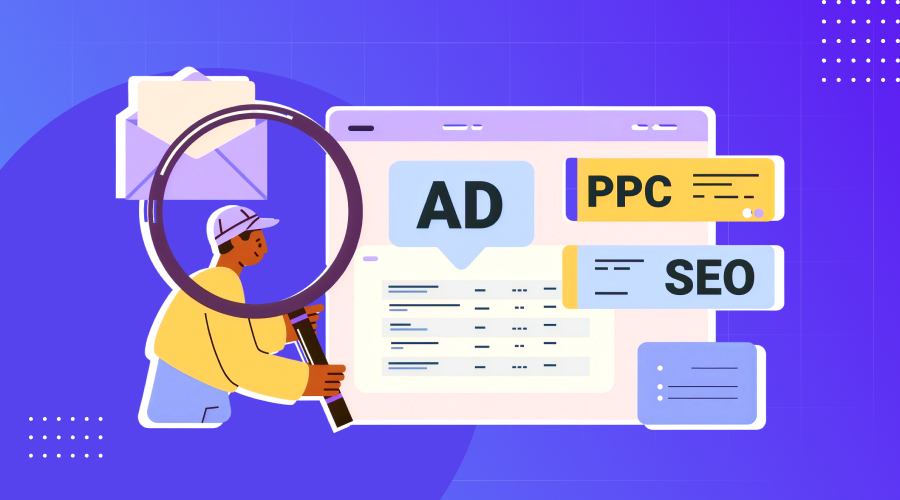
This is why Beehive states that approximately 42% of retail executives allocate up to half of their marketing budget to omnichannel initiatives. To make it simpler, here is what a typical multichannel mix looks like:
- SEO captures search intent.
- PPC tests offer
- Social media builds awareness
- Email nurtures
- Content educates and retains
Single-handedly, each channel captures a slice of traffic, but together, they form a sequence. A person might chance upon a blog post, then scroll through a social ad, then open an email. Each touch nudges them closer to action.

5 Reasons Multi-Channel Delivers Superior Results
Working with multiple channels is not just “more.” It changes outcomes. Here are five reasons to adopt a multi-channel plan. We’ll break down each reason and show how it helps your bottom line.
Expanded Audience Reach Across Different Platforms
People don’t live on a single platform. Professionals and decision-makers often use LinkedIn. Visual shoppers prefer Instagram or TikTok. Older audiences read email and search more often.
Think of platforms as neighborhoods. Each has its own crowd. If your brand appears only in one neighborhood, you miss everyone else’s foot traffic.
For maximum reach, mix channels efficiently. This helps you match audience habits. Use LinkedIn for B2B outreach, and Instagram for visual product stories. This way, you capture both decision-makers and shoppers.
Reinforced Brand Messaging
People rarely buy on first exposure. This is where repetition becomes crucial. In fact, the Rule of 7 asserts that a customer must encounter a brand’s marketing messages at least seven times. This builds familiarity and reduces friction.
When a person sees your name repeatedly across the internet, your brand will slowly shift from “stranger” to “known.” Brands that appear in multiple formats become easier to recall. When a buying moment arrives, the audience remembers these brands first. If the message feels consistent, buyers trust you more. Consistency signals competence. This makes them more likely to click and convert.
Reduced Risk and Increased Stability
Relying on one platform is fragile. Platforms change rules without warning. What worked last quarter may underperform in the next quarter. If your whole plan depends on one channel, such changes can be costly.
Diversification brings stability. If one channel dips, others pick up the slack. This keeps leads flowing while you adapt. It lets you reallocate the budget. You can also test new approaches without risking a complete stop in growth.
Enhanced Customer Journey Mapping
Buyers move between channels. They’ll read reviews, watch videos, compare specs, and check ads. Each step lives on different channels. A multi-channel presence follows them. Use social for discovery, content, and SEO to inform, and email and retargeting to close.
Consistent messaging ensures less confusion. It makes the path from interest to purchase feel natural. A buyer might find a how-to article, then they follow the brand on social for more tips. Finally, they respond to a targeted email with a discount. This sequence raises conversion odds.
Better Data and Performance Insights
More channels mean more signals. And more signals mean clearer decisions. Search, social, ad networks, and email platforms each report different behaviors. Bring those together, and you see patterns that single channels fail to uncover.
A sale might trace back to a combination of an ad, a blog post, and an email. Attribution tells you which interactions mattered. With cross-channel data, you can move budget to the mix to drive actual growth, not just the last click. When you measure the full funnel and credit assisting channels, you invest where it counts. Over time, this boosts efficiency and return.

How to Implement an Effective Multi-Channel Digital Marketing Strategy
A plan beats random posting. Work in clear steps. Pick channels that match your audience. Align the message. Integrate tracking and testing. Here’s a simple, practical roadmap to get started.
Start with Strategic Channel Selection
Not every channel fits every goal. Choose wisely. A B2B software maker won’t get the same returns on TikTok as a lifestyle brand. Match channels to goals. Use analytics, surveys, and competitor research. Look where similar buyers engage.
Each channel takes time and expertise. Choose a set that runs well. Begin with three to four channels to cover awareness, consideration, and conversion. Add more only after you learn to manage and measure the core mix. We call this field digital marketing.
Ensure Consistent Messaging
Keep the idea the same, but change the delivery according to the platform. The tone, promises, and value must stay consistent. This helps a brand in coming off as a familiar one everywhere.
Customize content format for each platform’s best practices. Short, punchy copy works on social. Long-form content works for search. Use the strengths of each medium. On LinkedIn, lead with market data and case studies. On Instagram, use quick visuals and a simple CTA. Both move the same idea forward in ways the audience expects.
Use the same logos, palette, and templates. Visual consistency speeds recognition and trust.
Integrate Your Channels for Maximum Synergy
Integration turns separate channels into a single engine. Use each channel to feed the others. Invite social followers to join email lists. Share your best blog content through newsletters.
Use retargeting to connect channels. Retargeting helps convert people who left without acting. It’s efficient and effective. You must also ensure a unified customer experience across all touchpoints. Make landing pages, creatives, and offers match the original message. This reduces friction and increases conversions.
Choose a tool stack to sync data and automate workflows. Marketing automation, tag managers, and simple dashboards let you coordinate messages and measure impact.

Ready to Amplify Your Digital Presence with Multi-Channel Marketing?
A single channel narrows who sees you and makes performance brittle. Using multiple channels captures more demand and spreads risk. Knovial offers end-to-end services. You get SEO, PPC, social media, video, and content. We design channel mixes that work together, not in silos.
A careful multi-channel strategy turns scattered effort into steady growth. It widens your audience, strengthens your message, and smoothens the buyer’s path. If you want a focused plan, start with a short audit. Identify three core channels and run coordinated tests. Knovial builds and runs the plan with clear KPIs.
Make your next move deliberate. Measure every step to scale results. Book a consultation with Knovial to map your channels and set the first 90-day test. You’ll get a clear plan, budget recommendations, and measurable goals.